We're delighted to introduce our speakers:
Power to the People: reclaiming research as social intervention
(Dr Danny Sriskandarajah - CEO, New Economics Foundation)
Message in a Bottle: Creating safer spaces for marginalised voices in research and policy-making
(Professor Jason Arday - University of Cambridge)
New practices – new challenges? Ethics in Social Research
(Reema Patel - Founder and Director, Elgon Social Research and Dr Holly Taylor-Dunn - Freelance Consultant)
Panel: What makes a good funding application?
(Alex Beer - Nuffield Foundation and Beccy Shipman - ESRC UKRI)
Special Session 1: Teaching research methods in a changing social research landscape
(Convened by Melanie Nind (NCRM), Nicole Brown (Social Research & Practice and Education Ltd., and UCL), Debbie Collins (NatCen) and Tina Haux (SRA)
Special Session 2: Inclusive research
(Sarah Frankenberg - Verian, Naomi Boal, Christine Hemphill and Breandan Ward - Open Inclusion)
Special Session 3 (sponsored): AI-Moderated Interviews in Social Research: Evidence from three independent studies
(Matteo Cera - Glaut)
Masterclass am: Introduction to Deliberative Methods
(Sophie Reid)
Masterclass pm: From debate to practice: a case study in implementing AI to support qualitative research
(Mehul Kotecha - NatCen)
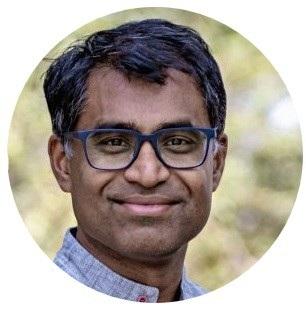
Dr Dhananjayan Sriskandarajah is Chief Executive of the New Economics Foundation and author of "Power to the People: Use your voice, change the world" (Headline Press, 2024). Danny's previous roles include CEO of Oxfam GB, Secretary General of CIVICUS, Director of the Royal Commonwealth Society, Interim Director of the Commonwealth Foundation and various posts at the Institute for Public Policy Research. He is a Trustee of the Guy’s & St Thomas’ Foundation and a member of the Quadrature Climate Foundation’s Advisory Board, and has previously been a Trustee of the Baring Foundation, Comic Relief, Disasters Emergency Committee and Praxis Community Projects. Danny's opinion pieces have been published in newspapers in more than thirty countries, and he regularly appears on broadcast media, including current affairs shows such as Hard Talk, Today and Question Time. He is a member of the United Nations’ High Level Advisory Board on Economic and Social Affairs and has previously served on two UN High Level Panels, on digital co-operation and humanitarian finance. Danny holds a Masters and Doctorate from Oxford University, and an undergraduate degree from the University of Sydney.
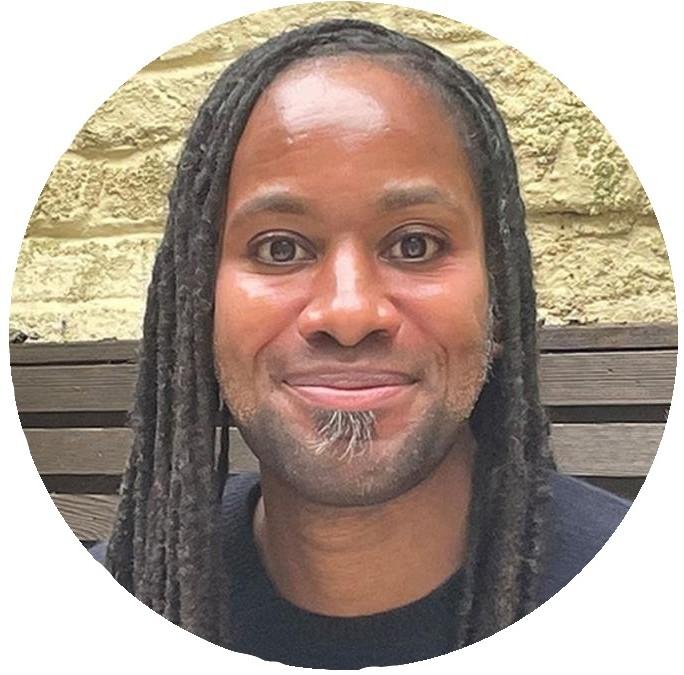
Jason Arday is Professor of Sociology of Education at the University of Cambridge, Faculty of Education and a Fellow at Jesus College.
Jason is a Patron of the Adult Literacy Trust (ALT) and Get Further. He was formerly a Trustee of the Runnymede Trust, the UK’s leading Race Equality Thinktank for 11 years. Presently, he is a Trustee of the British Sociological Association (BSA) and Autism Action. Jason sits on the NHS Race and Health Observatory Academic Reference Group and the ITV Cultural Advisory Council.
Professor Arday’s research focuses on the areas of race and higher education, intersectionality and education, mental health and education, neurodiversity and cultural studies.
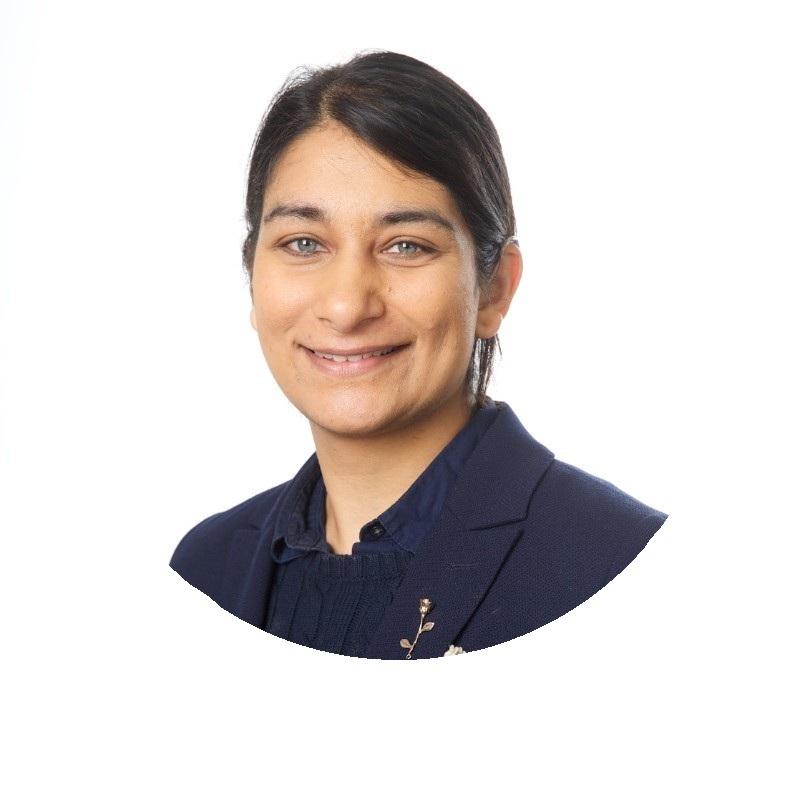
Reema Patel is Founder and Director of Elgon Social Research, an inclusive research, design and practice agency known for its deep expertise in inclusion, participation and futures thinking, particularly regarding emerging technology. She is a strategic advisor to the UKRI funded Sciencewise programme, where she supports its work on AI governance. Previously she was Head of Deliberative Engagement at Ipsos, and she also co-founded the Ada Lovelace Institute, where she was part of the pandemic response team, and where she shaped its work on civic participation and on rethinking data. Her forthcoming book on AI governance 'Accountable AI', published as part of the Palgrave Pivot series, makes the case for society's continued engagement with emerging technologies in the AI and data driven age.
Reema will be delivering a training course on Using AI Responsibly in Social Research for the SRA on 7 & 8 September (2 mornings)

Dr Holly Taylor Dunn is is an experienced social researcher who has worked with, and researched with, survivors of trauma for 25 years. She began her career workingwith survivors of abuse, before moving to academia where she led research projects for charities, police forces and government departments. More recently, Holly led evaluations in a social research agency, before taking over as Head of Evaluation. Holly is currently working as a freelance consultant and is passionate about using her professional and lived experience of trauma to help others design safe and inclusive research.
In addition, Holly delivers the following amazing courses for the SRA -
14 July Ripple Effect Mapping - In Person in Birmingham, with Sophi Ducie
23 September Introduction to equity-based trauma informed research with Skye Curtis
30 September Applying Equity-Based Trauma-Informed Research in Practice with Skye Curtis

Alex Beer is Assistant Director of Strategy at the Nuffield Foundation, responsible for the Foundation’s Strategic Fund and delivering strategic priorities through bold new projects and collaborative partnerships, alongside leading Grants Operations and contributing to the development and management of the Welfare grants portfolio.
Prior to joining the Foundation, Alex was a senior economist in government, with over 15 years of professional experience leading evidence-based policy change. She led development of the Department for Work and Pensions’ Evidence Strategy, ran the department’s Model Development Unit and worked across government to establish and lead the first cross-departmental Child Poverty Unit as its Head of Strategy and Analysis.
.jpg)
Beccy Shipman is the Deputy Director for Data Strategy and Infrastructure at the Economic and Social Research Council (ESRC). They have responsibility for the ESRC’s large scale social science data collections and services. Until recently Beccy was co-chair of the Pride network at UKRI. They are committed to inclusive and equitable data practices as well as ways of working. Beccy has worked in research, open data, digital humanities and data infrastructures for over twenty years across the higher education and research funder sectors.
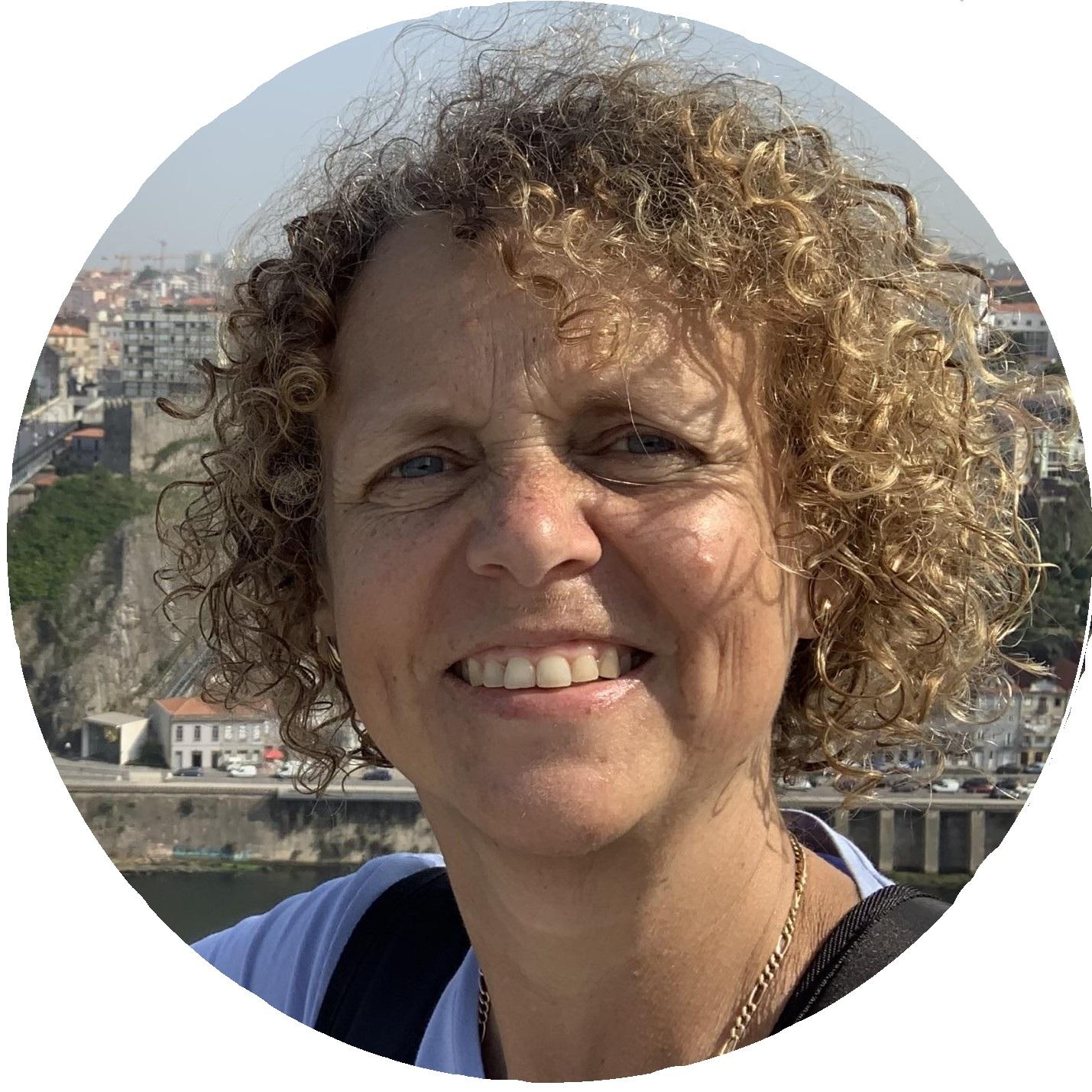
Dr Nicole Brown is Associate Professor at IOE, UCL's Faculty of Education and Society, and Director of Social Research & Practice and Education Ltd. Underpinned by her interpretation of human communication relying on the embodied, metaphorical understanding of the world, she regularly uses participatory and creative approaches to data collection and analysis. Nicole has taught research methods for over ten years, including at the American Association for Public Opinion Research (AAPOR), the Society for Research into Higher Education (SRHE), the National Centre for Research Methods (NCRM), Photovoice Worldwide and the British Medical Association (BMA). Nicole has authored Making the Most of Your Research Journal and co-authored Embodied Inquiry: Research Methods. For Nicole's publications check https://iris.ucl.ac.uk/iris/browse/profile?upi=NBROW65
Nicole also delivers the following fantastic courses for the SRA -
10 & 11 September (2 afternoons) Creative methods in qualitative data collection
1 & 2 October (2 afternoons) Creative data analysis
22 & 23 October (2 afternoons) Positionality and reflexivity in qualitative research
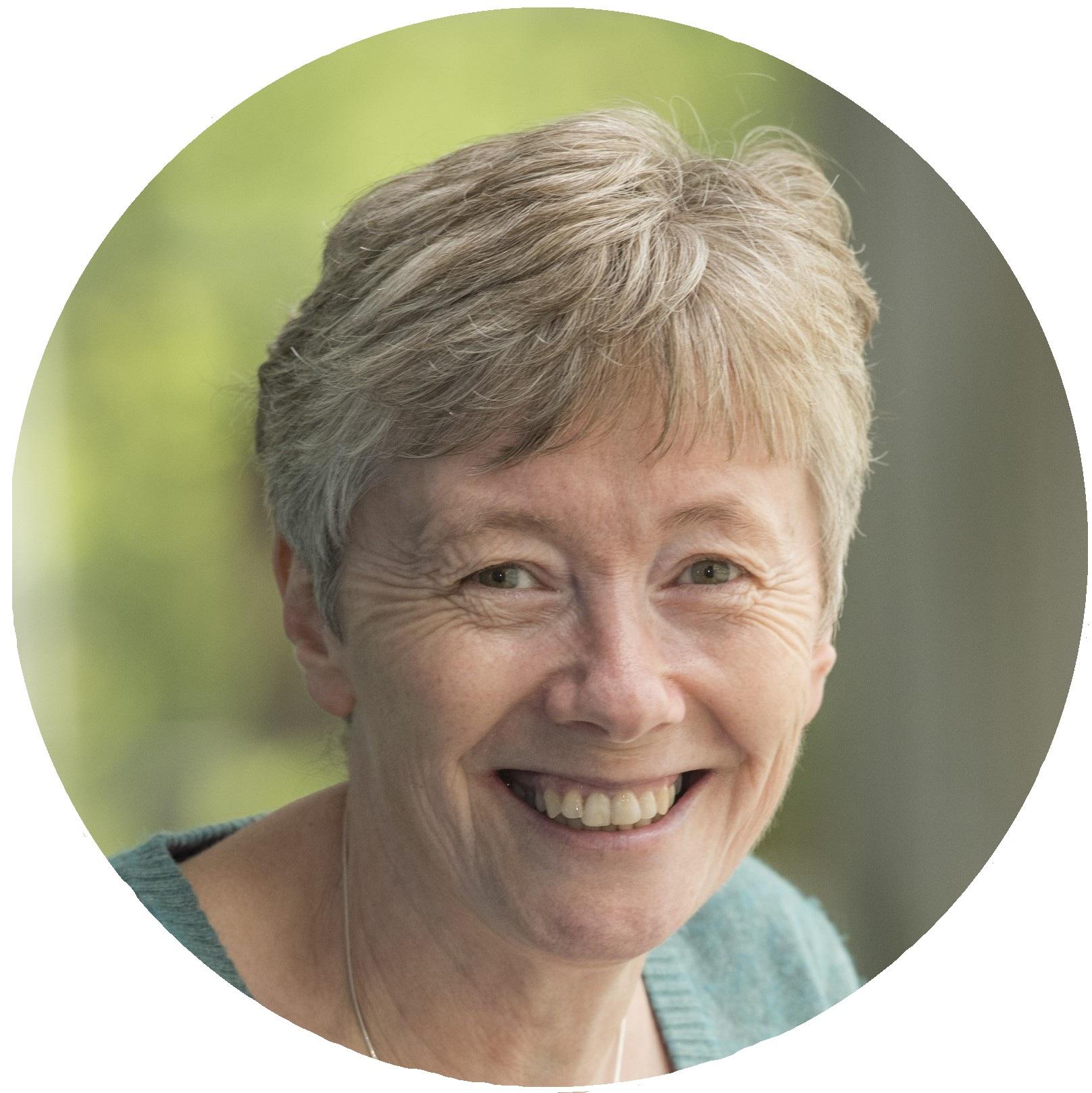
Melanie Nind, Professor of Education at the University of Southampton, is a founding member of the university’s Centre for Research in Education, Deputy Director of the ESRC South Coast Doctoral Training Partnership, and former co-director of the National Centre for Research Methods. She edited the Handbook of Teaching and Learning Social Research Methods (Elgar, 2023) and has published widely in this arena having led a decade of research within NCRM on research methods pedagogy.
.jpg?version=86BB3D29)
Matteo Cera is the CEO and co-founder of Glaut, an AI-native end-to-end customer research software. Glaut allows researchers to program and run large-scale qual+quant research projects leveraging "AIMIs" (or AI-moderated voice interviews) in +50 languages. With over 15 years of experience in tech, Matteo began his career at McKinsey & Company and graduated summa cum laude from Bocconi University.

Sophie Reid is a social researcher, evaluator and facilitator. Much of her work is in designing, delivering and reporting on large-scale deliberative processes. She has recently co-led public dialogues commissioned by UKRI on ‘Making sense of ultra-processed foods’ and the Food, Farming & Countryside Commission’s Food Conversation (with social research agency Hopkins van Mil) and is currently delivering a public dialogue on the governance of Engineering Biology commissioned by DSIT and Sciencewise. She has facilitated deliberative processes with public and professionals across health, data, new technologies, environment and trade. Sophie is also an independent evaluator for deliberative processes, including those co-funded by UKRI’s Sciencewise programme, taking a critical and realist perspective to explore the relationship between quality and impact.
Sophie will be delivering training course Introduction to deliberative methods for the SRA on 10 & 11 September (2 mornings)
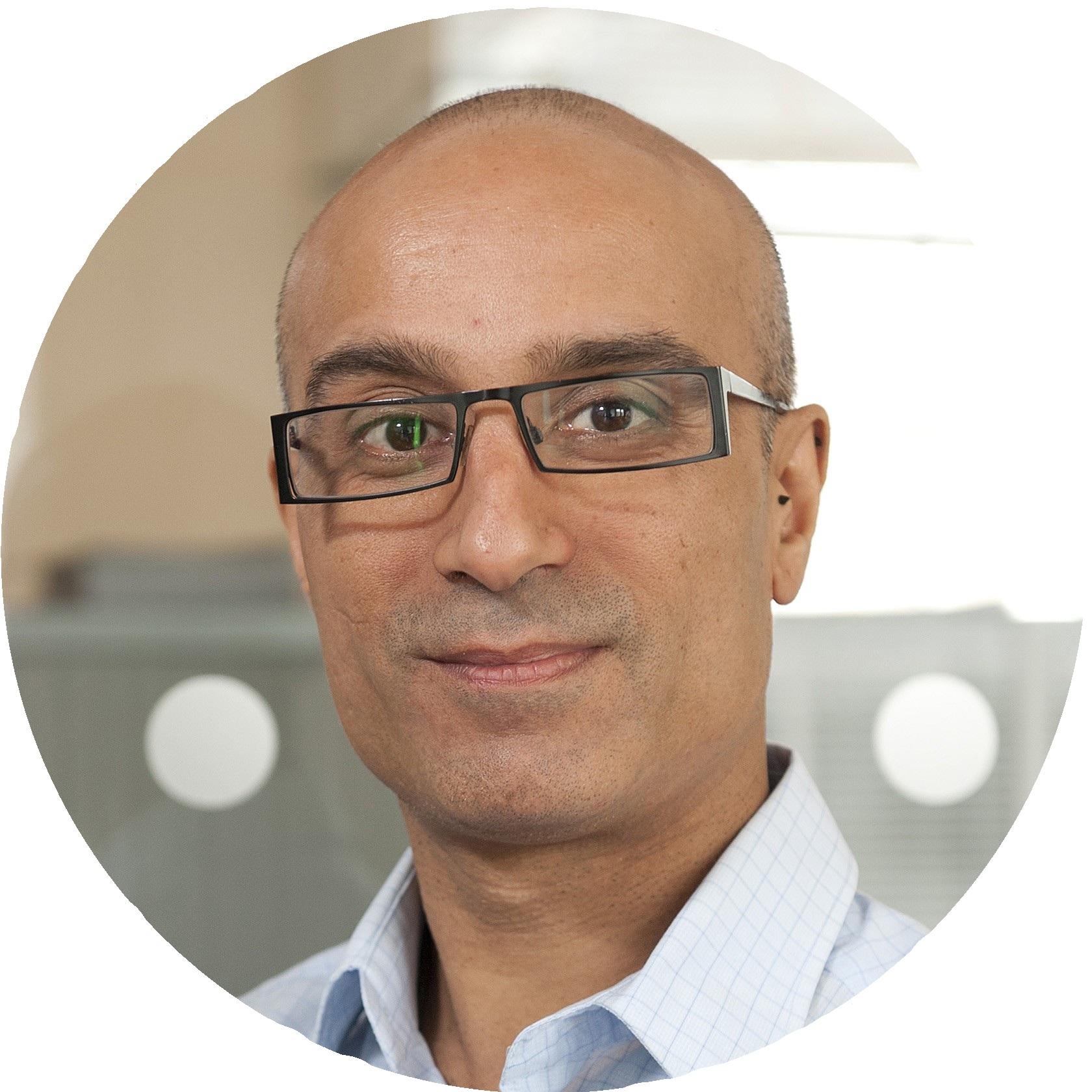
Dr Mehul Kotecha is the Qualitative Innovation Lead at NatCen and a practicing Senior Researcher. He has over 25 years of designing and delivering qualitative studies that bring the voices of stakeholders, service users, and vulnerable groups to policy audiences. As Innovation Lead, he is more than a little curious about whether AI has a role in qualitative research and, if so, how it can support rather than supplant the human researcher. The Senior Researcher side of him shares that curiosity, except form a more practical, delivery-focused perspective!